

Best time to visit Sri Lanka
Sri Lanka Weather - When to Go
Sri Lanka has two monsoon seasons that affect opposite coasts at different times of year, which is the single most important thing to understand when working out the best time to visit Sri Lanka. Because of this split, there’s almost always a good-weather region somewhere on the island — you just need to know where to be, and when.
Sri Lanka's Seasons
Sri Lanka is a year-round tropical paradise, blessed with sunshine and diverse experiences throughout the seasons. The island’s unique weather patterns are shaped by two distinct monsoons, allowing travellers to explore different regions at any time of year.
From May to September, the southwest monsoon brings rain to the southern and western coasts, while the north and east remain warm and dry. This makes it the perfect season to enjoy beach escapes in Trincomalee or Arugam Bay, ideal for swimming, surfing, and relaxing under clear skies.
Between December and March, the northeast monsoon moves in, refreshing the eastern and northern regions. During this period, the southwest coast shines, offering ideal conditions to explore Sri Lanka’s luxury beach resorts in Bentota, Unawatuna, or Mirissa. These months are also perfect for tailor-made holidays combining the coast with scenic hill country escapes.
December to March – Sri Lanka’s west, south, and hill country.
February to August – wildlife enthusiasts should visit dry zones like Yala and Udawalawe
April to September – East coast is ideal
May to September – Cultural and archaeological sites are best explored
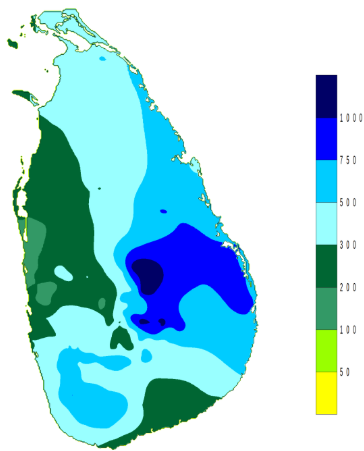
(March – April)
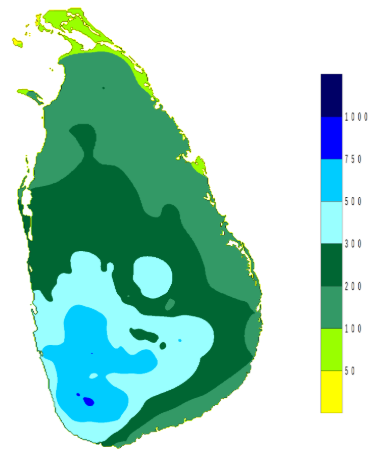
South West-Monsoon Season
(May – September)
Windy conditions brings relief from the earlier season’s warmth. Rainfall occurs mainly in the Southwestern region, with the heaviest rains in mid-elevation western slopes. Rainfall decreases toward higher elevations and the coast, while the Northern and South eastern regions receive the least rain.
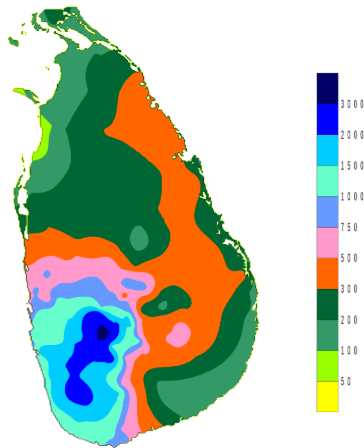
Second Inter-Monsoon Season
(October – November)
Marked by frequent afternoon and evening thunderstorms. Strong winds and widespread rain, sometimes causing floods and landslides. Rainfall is more evenly distributed across the country, with the highest amounts in the Southwestern slopes.
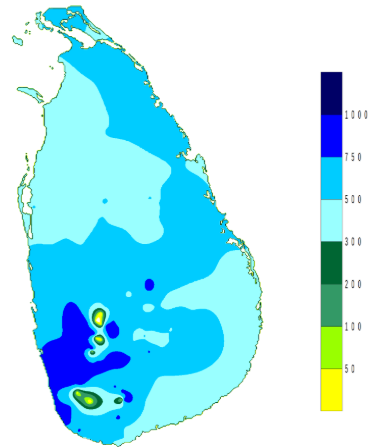
North East-Monsoon Season
(December – February)
All You Need to Know
What is the best month to visit Sri Lanka?
January and February offer the most reliable weather across both coasts, making them the most popular months, though the ideal time depends on which region you’re prioritising.
Does Sri Lanka have a rainy season?
Yes. Two monsoon seasons affect different coasts at different times: the south-west coast sees rain May–September, while the north-east coast sees rain October–January.
Is Sri Lanka good to visit year-round?
Yes. Because the monsoons affect opposite coasts, there’s usually good weather somewhere on the island at any time of year.
What is the weather like in the hill country compared to the coast?
The hill country (Nuwara Eliya, Ella) is noticeably cooler year-round, often requiring a light jacket in the evenings, while the coast stays warm and humid throughout the year.
Is Sri Lanka hot and humid all year?
The lowlands and coast are warm and humid year-round, typically 27–32°C, while the hill country offers a cooler, milder climate by contrast.
When should I avoid visiting Sri Lanka?
There’s no single bad time for the island as a whole, but when considering the ideal beach holiday you’d want to avoid the south-west coast May–September, or the east coast October–January, depending on which region your beach holiday is centred on.