Is Sri Lanka Safe to Visit in 2027? What Travellers Need to Know
Quick answer: Yes, Sri Lanka is generally safe for tourists, and most visitors have trouble-free trips on the usual route through the south coast, hill country and Cultural Triangle. The risks you are most likely to meet are everyday ones: rough seas, busy roads and mosquito-borne illness. Governments such as the UK and US do not advise against travel to the country as a whole, but they do ask visitors to take sensible precautions and check current advice before departure.
Is Sri Lanka safe for tourists?
For most travellers, yes. Sri Lanka received roughly 1.7 million visitors in the first nine months of 2026, and the vast majority travel without serious incident. Violent crime against tourists is uncommon, and Sri Lankans are widely known for being hospitable and helpful to visitors.
Like anywhere, safety depends on where you go, when you go and how you travel. Booking through a reputable operator, using a licensed driver and keeping to well-travelled areas removes most of the avoidable risk.
What do government travel advisories say about Sri Lanka?
At the time of writing, the major Western governments take a broadly similar view: normal or increased precautions apply to the main tourist circuit, with extra care advised in specific situations. The US State Department rates Sri Lanka at Level 2, “Exercise Increased Caution”, which is the same level it gives many popular destinations. Sri Lanka Travel Advisory | Travel.State.gov. The UK Foreign, Commonwealth & Development Office also gives detailed guidance on safety, local travel and entry rules. GOV.UK Sri Lanka Travel Advice.
These advisories change, so read the current version for your own country before booking and again shortly before you fly.
What are the main safety risks in Sri Lanka?
Petty crime and scams
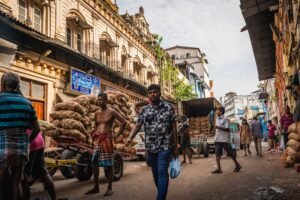
Bag snatching and pickpocketing can happen in crowded places such as markets, railway stations and festivals. The most common problem is overcharging, especially by some tuk-tuk drivers. Agree a price before you set off, use a metered ride, or use a ride-hailing app in Colombo.
Other well-known scams include strangers claiming a temple or site is “closed” to steer you elsewhere, and gem-buying schemes. Only buy gems from established, licensed dealers, and be cautious about any offer that sounds too good to be true.
Sea and beach safety
Many beaches have strong currents and rip tides at certain times of year, particularly on the open south and west coasts during the monsoon. Swim only where locals swim or where lifeguards are present, follow flag warnings and ask your hotel before entering the sea. Never swim after drinking alcohol. Never swim alone, always make sure there are others there.
Road safety
Roads are busy, winding and often shared with buses, tuk-tuks, motorbikes and animals. Driving styles can feel aggressive to visitors. Most tourists hire a car with an experienced local driver. If you want to drive yourself, you need an International Driving Permit and a Sri Lankan recognition permit, and travel advisories caution against renting vehicles such as tuk-tuks without a local driver, since an accident can lead to a lengthy investigation and delay your departure.
Health
- Dengue: mosquito-borne and present year-round, with more cases during and after rains. Use repellent, especially at dawn and dusk, and wear light long sleeves in the evening.
- Water and food: drink bottled or filtered water. Choose freshly cooked food from busy places to lower the risk of stomach upsets.
- Sun and heat: the sun is strong all year. Use high-factor sunscreen, wear a hat and drink plenty of water.
- Stray dogs and monkeys: avoid feeding or touching animals. If you are bitten or scratched, clean the wound and see a doctor straight away, as rabies is present.
- Vaccines and medication: speak to a doctor or travel clinic several weeks before you go.
Weather and natural hazards
Sri Lanka has two monsoon seasons, which bring heavy rain, flooding and landslides to affected regions. Plan around the right season for each coast (south and west from December to March, east from April to September), and follow local weather warnings.
Protests and political events
Political rallies and demonstrations have occasionally turned tense. Avoid protests and large political gatherings, follow local news and take any instructions from the authorities seriously.
Wildlife
Safaris are safe when run by licensed operators in park jeeps. Stay inside the vehicle, keep your distance from elephants on roads and never approach wild animals.
What has changed in Sri Lanka recently?
Three developments are worth knowing about when you plan a 2027 trip.
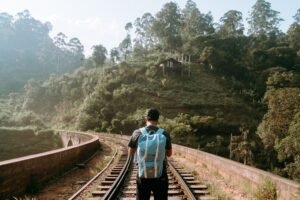
- Cyclone Ditwah (November 2025): the cyclone caused flooding and landslides across parts of the country, with the hill country hit hardest. The south coast was largely unaffected. Roads, power and rail links have been restored progressively, and the scenic Nanu Oya to Badulla railway section, which includes Ella, reopened in June 2026. Landslide risk remains in wet weather, so check conditions with your hotel or driver in the hill country during monsoon months.
- Fuel rationing: in March 2026 the government reintroduced a QR-code fuel quota because of global supply disruption linked to the Middle East conflict. Tourism operators were given priority access and a dedicated quota system, and tourists were not left without transport. Reports since then suggest supply has eased, but confirm with your driver or operator that arrangements are running normally.
- Flight routes: the Middle East conflict affected flights that connect through Gulf airports. Check your routing with your airline or operator, and consider direct flights or alternative connections.
Is Sri Lanka safe for solo female travellers?
Many women travel through Sri Lanka alone and have excellent experiences, but harassment, from unwanted attention to groping on crowded buses and trains, does happen. Sensible steps include dressing modestly (shoulders and knees covered at temples and away from beach areas), choosing well-reviewed accommodation, using trusted taxi services or a driver you have booked in advance, avoiding isolated areas after dark and carrying a personal alarm if it helps you feel safer. Trust your instincts and leave any situation that feels wrong.
Is Sri Lanka safe for families?
Yes. Sri Lanka is a welcoming country for families with children, with the main considerations being heat, mosquito protection, safe drinking water and the winding roads. See our guide to family holidays in Sri Lanka for itineraries and tips.
What should LGBT+ travellers know?
LGBT+ travellers are welcome in Sri Lanka and continue to visit the island to this date. Social attitude vary therefore, travellers choose to be discreet about excessive public displays of affection but that goes for all relationships.
What you should know is that same-sex relationships remain criminalised under Sri Lankan law. Check your own government’s advice for LGBT+ travellers before you go.
Practical safety checklist for 2027
- Check government travel advice for your country before you book and again a week before you leave.
- Get comprehensive travel insurance that covers medical care, evacuation, cancellations and the activities you plan to do.
- Apply for your travel authorisation only through the official Sri Lankan ETA website, and avoid third-party lookalike sites. Many nationalities now qualify for a free tourist ETA, but rules and fees change, so check the official site.
- Book through reputable operators and use licensed drivers and guides.
- Tell your bank you are travelling, as some cards are blocked by fraud protection on arrival, and carry a backup card.
- Keep copies of your passport and important documents, stored separately from the originals.
- Save emergency numbers: police 119, ambulance 1990, and the Sri Lanka Tourism hotline 1912.
- Confirm transport and fuel arrangements with your driver or operator before long journeys.
- Check local weather and road conditions in the hill country during wet months.
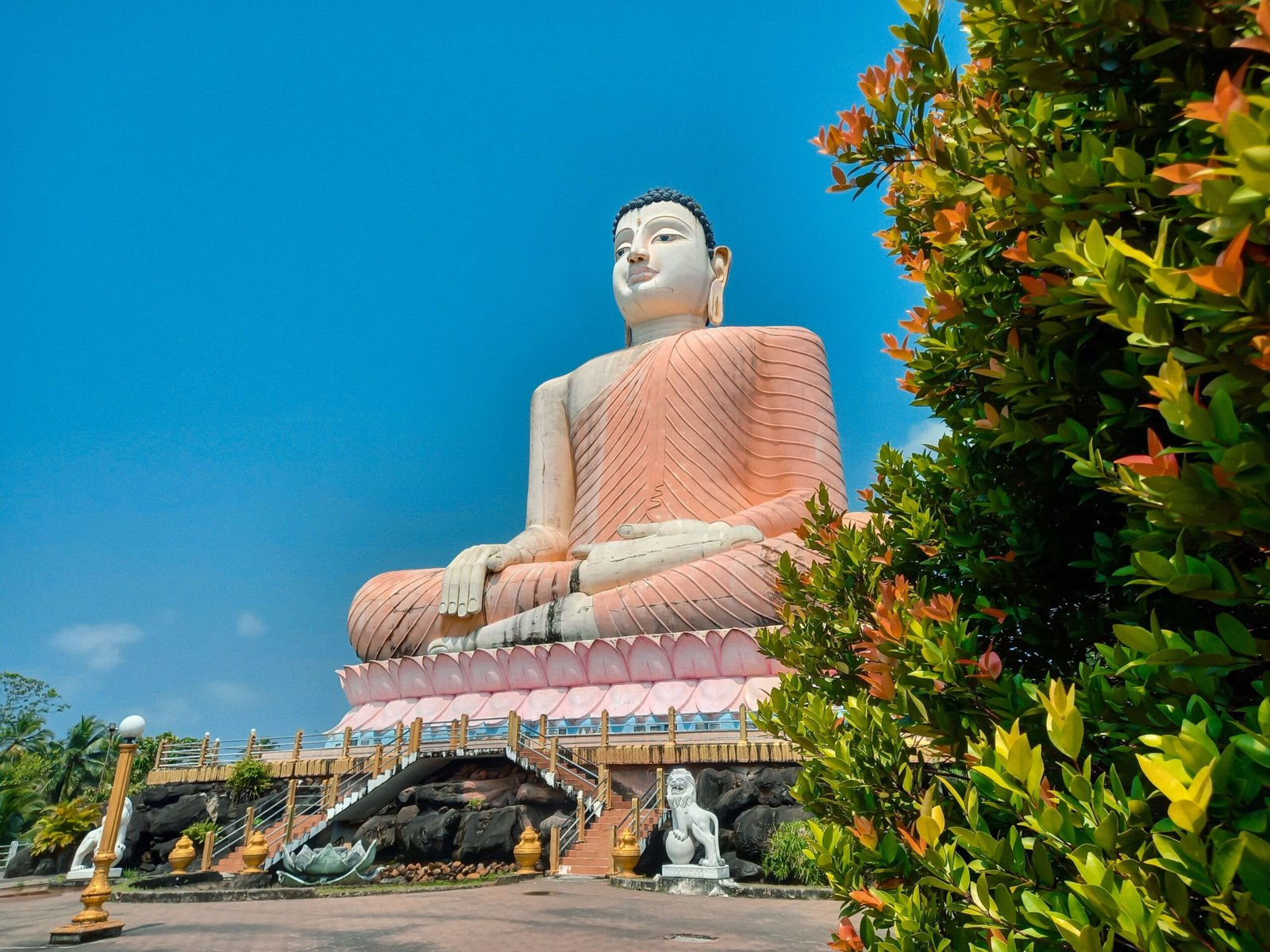
- Respect local customs: dress modestly at temples, remove shoes and hats where required, and never pose with your back to a Buddha statue.
Travel to Sri Lanka with confidence
A well-planned trip makes safety simple. Destinations Plus builds Sri Lanka itineraries with licensed drivers, vetted hotels and local support on the ground, and we monitor conditions so your plans stay realistic. Get in touch to start planning your trip.